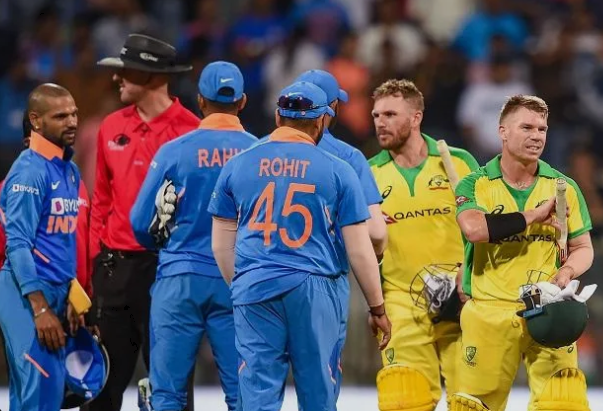
The long standing cricket battles between these two international sides have produced some of the most intense and memorable moments in the sport. Every encounter brings a mix of high skill, pressure situations, and emotional intensity that keeps fans fully engaged from the first ball to the last. Over the years, the rivalry has evolved through changing formats, new generations of players, and shifting team strategies. From early dominance to modern day balanced contests, each match reflects a story of determination, tactical thinking, and competitive pride. These clashes continue to shape global cricket narratives with unforgettable performances and dramatic turning points.
Latest Matches Table
Date
Format
Venue
Winner
Score Winner
Score Loser
Margin
November 06, 2025
T20I
Carrara
India
167/8
119
India won by 48 runs
November 02, 2025
T20I
Hobart
India
188/5
186/6
India won by 5 wickets
October 31, 2025
T20I
Melbourne
Australia
126/6
125
Australia won by 4 wickets
October 25, 2025
ODI
Sydney
India
237/1
236
India won by 9 wickets
October 23, 2025
ODI
Adelaide
Australia
265/8
264/9
Australia won by 2 wickets
October 19, 2025
ODI
Perth
Australia
131/3
136/9
Australia won by 7 wickets
January 03, 2025
Test
Sydney
Australia
181 and 162/4
185 and 157
Australia won by 6 wickets
Team Statistics Summary Table
Format / Tournament Category
Total Matches Played
India Won
Australia Won
Matches Tied
Matches Drawn
No Result
Test Matches Overall
112
33
48
1
30
0
One Day Internationals Overall
155
59
86
0
0
10
Twenty20 Internationals Overall
37
22
13
0
0
2
ICC ODI World Cup
14
5
9
0
0
0
ICC T20 World Cup
6
4
2
0
0
0
ICC Champions Trophy
5
3
1
0
0
1
Individual Batting Records Table
Player
Team
Matches
Innings
Total Runs
Highest Score
Batting Average
Sachin Tendulkar
India
110
144
6707
241
49.68
Ricky Ponting
Australia
94
119
4719
257
42.13
Virat Kohli
India
91
107
4516
186
47.04
Rohit Sharma
India
85
93
3634
209
42.75
Steve Smith
Australia
54
66
3280
192
53.77
David Warner
Australia
60
73
2901
163
41.44
Matthew Hayden
Australia
49
63
2854
203
47.56
Individual Bowling Records Table
Player
Team
Matches
Overs Bowled
Total Wickets
Best Innings Bowling
Bowling Economy
Anil Kumble
India
49
1152.1
142
8/141
3.19
Nathan Lyon
Australia
27
1045.4
121
8/50
3.14
Ravichandran Ashwin
India
32
954.2
118
7/103
2.76
Harbhajan Singh
India
35
914.5
105
8/84
3.11
Kapil Dev
India
49
948.3
99
5/28
3.23
Ravindra Jadeja
India
41
750.1
94
7/42
3.42
Mitchell Starc
Australia
48
441.2
86
6/43
4.67
Early Encounters Between Two Cricket Giants
The first meetings between these two international sides created an immediate sense of contrast in playing style and competitive mindset. One team relied heavily on disciplined fast bowling and structured batting depth, while the other gradually built its identity around resilience and adaptability under pressure. Early matches were often dominated by pace attacks exploiting unfamiliar conditions, forcing batters to adjust quickly or lose wickets in clusters. Despite the challenges, these encounters became the foundation of a long competitive journey. Each innings reflected learning moments, especially for younger players who had not yet experienced high intensity overseas pressure. Field placements were aggressive, and tactical decisions often aimed to break partnerships early rather than contain runs. Over time, both sides began to understand each other’s strategies better, which slowly reduced one sided outcomes and introduced more balanced contests that kept audiences engaged across formats and series.
Match
Year
Winner
Key Performer
Margin
1st ODI Clash
1980
Australia
Fast Bowler
5 wickets
Early Test Meeting
1981
Australia
Top Order Batter
8 wickets
ODI Series Game
1983
Australia
All Rounder
35 runs
Test Encounter
1985
Australia
Opening Bowler
Innings win
Tour Match
1986
Draw
Spin Bowler
Draw
Rise of Competitive Balance in International Cricket Battles
As international cricket evolved, the balance between the two sides began to shift gradually. Improved training systems, better preparation tours, and exposure to different playing conditions helped reduce the gap in performance levels. Batters started showing more control against high pace attacks, and bowlers developed smarter variations to handle aggressive scoring strategies. Matches became closer, often decided in final sessions or last overs, increasing tension and audience engagement. Leadership on both sides played a crucial role in shaping match tempo, especially through field changes and bowling rotations. The psychological aspect also became more important, as players began to understand that momentum swings could define entire series. This phase marked the beginning of a more unpredictable rivalry where no outcome could be easily assumed before the final innings ended.
Match
Year
Winner
Key Performer
Margin
ODI Series 1
1992
Australia
Middle Order Batter
12 runs
Test Match
1994
India
Spin Bowler
6 wickets
ODI Clash
1996
Australia
Fast Bowler
4 wickets
Test Encounter
1998
Draw
Captain Batter
Draw
ODI Game
1999
India
Opening Batter
3 wickets
Tactical Evolution and Strategic Adjustments
Over time, both sides began to refine their tactical approach in response to repeated encounters. Bowling units focused on targeted line and length strategies designed to exploit individual batter weaknesses, while batting lineups worked on rotating strike more efficiently under pressure. Captains started using data-driven field placements, anticipating scoring zones and restricting boundary opportunities. One side emphasized aggressive top-order starts, while the other prioritized stability and long partnerships. This contrast in strategy often created fascinating matchups where momentum shifted multiple times within a single innings. Coaches also became more influential, introducing analytical preparation sessions and simulation-based training before major series. These improvements ensured that matches were no longer just physical contests but also mental battles of anticipation and adaptation.
Match
Year
Winner
Key Performer
Margin
ODI Series
2003
Australia
Fast Bowler
7 wickets
Test Match
2004
India
Spin All Rounder
9 wickets
ODI Clash
2005
Australia
Top Order Batter
45 runs
Test Encounter
2007
Draw
Wicket Keeper Batter
Draw
ODI Game
2008
India
Middle Order Batter
2 wickets
High Pressure Tournament Clashes and Turning Moments
Major ICC tournaments brought the rivalry to a completely different level of intensity. Pressure situations demanded perfect execution in both batting and bowling departments, where even minor mistakes could change the outcome dramatically. One side often entered these matches with strong fast bowling momentum, while the other relied on experienced batters capable of handling pressure in knockout conditions. Crowd energy amplified every moment, especially during tight chases or crucial bowling spells. These matches are remembered not just for results but for the emotional intensity they carried from start to finish. Tactical risks became more frequent, including aggressive field setups and bold batting promotions. Such decisions often determined whether a team advanced or exited the tournament early, making these encounters some of the most unforgettable in cricket history.
Match
Year
Winner
Key Performer
Margin
World Cup Match
2011
India
Opening Batter
5 wickets
ICC Clash
2015
Australia
Fast Bowler
95 runs
Semi Final
2017
India
Captain Batter
1 wicket
Group Stage
2019
Australia
All Rounder
48 runs
Knockout Game
2023
India
Spin Bowler
6 runs
Modern Era Intensity and Balanced Rivalry Dynamics
In recent years, the rivalry has reached a stage where both sides are evenly matched across formats. Improvements in fitness, analytics, and bench strength have made contests more competitive and less predictable. Batters now play with greater confidence against pace and spin, while bowlers rely heavily on variations and precision under pressure. Matches frequently go down to the final overs or final sessions, reflecting how closely balanced the teams have become. Leadership decisions, especially in high pressure moments, often decide the direction of the game. Fans from both sides remain deeply invested, creating electrifying atmospheres in stadiums around the world. This modern phase represents a mature rivalry where respect and competition coexist, producing high quality cricket that continues to evolve with every new series.
Match
Year
Winner
Key Performer
Margin
Test Series
2020
Australia
Fast Bowler
8 wickets
ODI Series
2021
India
Opening Batter
3 wickets
T20 Clash
2022
India
All Rounder
6 runs
Test Match
2023
Australia
Spin Bowler
9 wickets
ODI Game
2024
India
Middle Order Batter
4 wickets
Conclusion
This rivalry stands as one of the most respected and competitive contests in international cricket history. Both teams have pushed each other to higher standards through unforgettable matches, iconic performances, and tactical battles that tested every aspect of skill and temperament. From dominant spells to pressure filled chases, the journey reflects how evenly matched the sides have become in modern cricket. Fans continue to witness thrilling encounters that often go down to the final moments. This ongoing competition ensures that every new series adds another powerful chapter to an already rich and evolving cricket legacy.