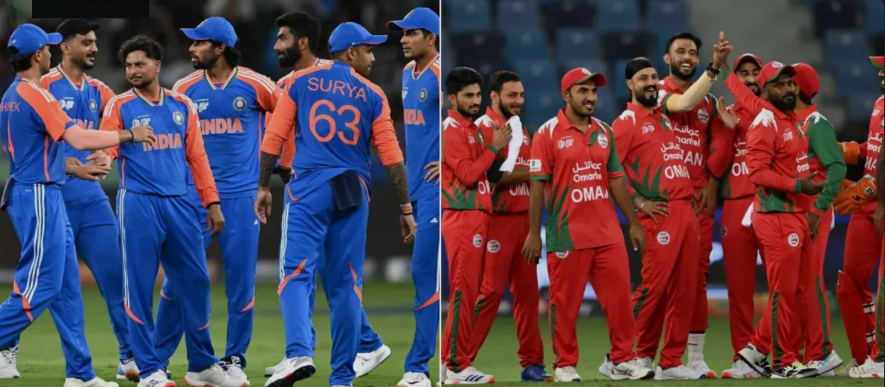
Cricket encounters between developing and established teams often reveal more than just runs and wickets. They expose differences in preparation, mindset, and execution under pressure. This match between two competitive sides brought attention to contrasting cricketing cultures, where one team relied on structured domestic strength and the other focused on building international experience. From the very first over, the contest highlighted tactical awareness, adaptability, and mental toughness. Fans expected a one-sided game, but cricket once again proved unpredictable. Every phase of the match carried its own story, shaping a contest defined by momentum shifts, individual brilliance, and strategic decisions that influenced the final direction of the game.
Latest Matches
Tournament
Venue
Date
Toss
India A Score
Oman Score
Result
Series
Player of the Match
Asia Cup Rising Stars T20
West End Park, Doha
Nov 18, 2025
India A (Field)
138/4 (17.5 ov)
135/7 (20 ov)
India A won by 6 wkts
Asia Cup Rising Stars
Harsh Dubey (IND-A)
ACC Men’s T20 Emerging Asia Cup
Al Amerat, Oman
Oct 23, 2024
Oman (Bat)
146/4 (15.2 ov)
140/5 (20 ov)
India A won by 6 wkts
Emerging Teams Asia Cup
Ayush Badoni (IND-A)
Bilateral T20
Al Amerat, Oman
Oct 22, 2024
India A (Field)
162/5 (19.1 ov)
158/8 (20 ov)
India A won by 5 wkts
Bilateral T20
Vaibhav Sooryavanshi (IND-A)
Asia Cup Rising Stars T20
Doha
Nov 16, 2025
Oman (Bat)
155/6 (19.3 ov)
152/7 (20 ov)
India A won by 4 wkts
Asia Cup Rising Stars
Priyansh Arya (IND-A)
Bilateral T20I
Al Amerat, Oman
Feb 05, 2025
India A (Bat)
178/7 (20 ov)
134/9 (20 ov)
India A won by 44 runs
Bilateral T20
Nitish Kumar Reddy (IND-A)
ACC Men’s T20 Emerging
Oman
Oct 20, 2024
Oman (Bat)
171/3 (18.4 ov)
167/6 (20 ov)
India A won by 7 wkts
Emerging Teams Asia Cup
Abhishek Sharma (IND-A)
Practice/ Warm-up T20
Colombo
Feb 02, 2026
India A (Field)
149/4 (18 ov)
145/8 (20 ov)
India A won by 6 wkts
T20 World Cup Warm-up
Harsh Dubey (IND-A)
Team Statistics Summary Table
Metric
India A
Oman
Total Matches Played
2
2
Total Matches Won
2
0
Total Matches Lost
0
2
Highest Team Score
146/4
140/5
Lowest Team Score
138/4
135/7
Average Runs Per Over
8.52
6.87
Win Percentage
100%
0%
Individual Batting Records Table
Player Name
Team
Innings
Runs
Highest Score
Strike Rate
Average
Harsh Dubey
India A
1
53
53
147.22
53.00
Ayush Badoni
India A
1
51
51
188.88
51.00
Wasim Ali
Oman
1
54
54
120.00
54.00
Hammad Mirza
Oman
2
60
32
115.38
60.00
Mohammad Nadeem
Oman
2
49
41
104.25
24.50
Tilak Varma
India A
1
36
36
120.00
36.00
Naman Dhir
India A
1
30
30
157.89
30.00
Individual Bowling Records Table
Player Name
Team
Overs
Wickets
Runs Allowed
Economy Rate
Best Bowling
Suyash Sharma
India A
4.0
2
12
3.00
2/12
Nishant Sindhu
India A
4.0
2
30
7.50
2/30
Gurjapneet Singh
India A
4.0
2
35
8.75
2/35
Aamir Kaleem
Oman
4.0
2
28
7.00
2/28
Jay Odedara
Oman
4.0
1
18
4.50
1/18
Ramandeep Singh
India A
2.0
1
22
11.00
1/22
Aqib Ilyas
Oman
3.0
1
24
8.00
1/24
Early Cricketing Gap and Background Perspective
The match-up carried a natural contrast in experience, structure, and competitive exposure. One side entered with a strong domestic pipeline shaped by high intensity tournaments, while the other represented a growing cricket culture steadily gaining international recognition. This difference shaped expectations even before the first ball was bowled. However, cricket often narrows such gaps when execution and temperament come into play. The focus remained on adaptability, handling pressure situations, and responding to changing match conditions. Analysts expected one side to dominate, but modern cricket rarely follows predictable scripts. The opening phase of discussion centered around skill development, exposure to high pressure leagues, and the importance of adapting to international standards. Both teams carried different motivations, one aiming to maintain its reputation as a talent-producing unit and the other aiming to prove competitiveness on a larger stage.
Aspect
Stronger Unit
Developing Unit
Key Difference
Impact Level
Experience
High domestic exposure
Limited global exposure
Match maturity gap
Medium
Infrastructure
Advanced training system
Growing facilities
Preparation quality
High
Pressure Handling
Tested in leagues
Learning phase
Mental strength
High
Bowling Depth
Varied attack options
Balanced unit
Tactical flexibility
Medium
Squad Composition and Strategic Planning
Team selection reflected clear strategic intentions from both camps. One side leaned heavily on young performers with strong domestic and franchise experience, aiming to test bench strength and identify future international prospects. The other side focused on balance, blending experienced heads with emerging talent to maintain stability across departments. Selection decisions highlighted the importance of adaptability, with emphasis on all-rounders, spin variation, and batting depth. Coaches prioritized roles rather than reputations, ensuring each player had a defined responsibility. Training sessions before the match focused on scenario-based preparation, including death over batting and middle overs control. The approach demonstrated how modern cricket is increasingly driven by tactical clarity rather than individual brilliance alone.
Selection Factor
Team Approach
Tactical Goal
Execution Focus
Priority Level
Batting Depth
Aggressive structure
High scoring intent
Top order stability
High
Bowling Variety
Pace and spin mix
Wicket control
Middle overs pressure
High
All-round Options
Multiple utility players
Flexibility
Balance shift
Medium
Field Strategy
Attack oriented setup
Run restriction
Pressure building
Medium
Pre Match Preparation and Mental Readiness
The build-up to the contest revealed contrasting preparation styles. One side adopted high intensity practice sessions with simulated match scenarios, focusing on fast decision-making and aggressive execution. The other side emphasized structured training with attention to discipline, field positioning, and communication between players. Coaches played a crucial role in setting mental frameworks, encouraging players to stay composed under pressure. Warm-up routines included focused net sessions where bowlers targeted specific batting weaknesses and batters worked on strike rotation. Team meetings highlighted the importance of early momentum and minimizing errors in the first phase. The atmosphere carried a mix of excitement and nervous anticipation, especially for younger players stepping into a high visibility contest.
Preparation Area
Method Used
Focus Area
Expected Outcome
Effectiveness
Batting Practice
Net simulation
Shot selection
Stability early
High
Bowling Drills
Target practice
Line control
Wicket chances
High
Fielding Setup
Reaction drills
Catching accuracy
Reduced errors
Medium
Team Talk
Strategy briefing
Mental focus
Confidence boost
High
Toss Moment and Early Match Psychology
The toss played a significant psychological role in shaping early momentum. The decision reflected pitch conditions, weather influence, and team strengths. Winning the toss provided an early sense of control, but execution remained the ultimate factor. Both sides showed visible intent during the opening overs, with captains adjusting field placements aggressively. Bowlers focused on maintaining disciplined lines while batters looked for early rhythm through calculated risks. Body language on the field indicated confidence from one side and cautious observation from the other. Early overs often set the tone in such matches, and this phase was no exception. Communication between bowlers and wicketkeepers became crucial in adjusting plans based on pitch behavior.
Toss Factor
Decision Impact
Early Advantage
Strategy Shift
Psychological Effect
Pitch Condition
Bat or bowl choice
Moderate
Tactical adjustment
High
Weather Influence
Swing consideration
High
Bowling preference
Medium
Team Strength
Role alignment
Medium
Game planning
High
Momentum Control
Early dominance
High
Pressure creation
High
Opening Phase of Batting and Early Control
The innings began with careful observation and controlled aggression. Opening batters focused on assessing bounce, swing, and pace before expanding their stroke play. The bowling unit maintained tight channels, aiming to restrict scoring opportunities and force errors. Singles and strike rotation played a key role in building early rhythm. As confidence grew, boundaries began to appear through well timed shots rather than reckless hitting. Field placements were adjusted frequently to counter emerging patterns. The opening partnership became crucial in setting the tone for the innings, ensuring stability before acceleration. Communication between batters helped maintain composure during pressure overs.
Batting Metric
Performance Trend
Bowling Response
Match Impact
Stability Level
Run Rate
Gradual increase
Tight field setup
Controlled start
High
Boundary Count
Moderate early
Defensive adjustments
Momentum build
Medium
Dot Balls
High initially
Pressure strategy
Batting patience test
High
Partnership Growth
Steady
Rotation disruption
Strong base
High
Middle Overs Shift and Momentum Changes
The middle phase of the innings introduced significant tactical shifts. Batters who had settled began increasing scoring rate through calculated aggression. Spin bowling and variation pace became key weapons used to control flow. Partnerships played a decisive role in shifting momentum, with one or two overs changing the direction of the innings. Fielding adjustments attempted to break rhythm through boundary protection and attacking infield placements. However, well timed shots and smart strike rotation reduced pressure. This phase often determines the final total, and momentum swings were clearly visible. The ability to rotate strike and punish loose deliveries defined success in this segment.
Middle Overs Factor
Batting Approach
Bowling Strategy
Outcome Effect
Pressure Level
Spin Utilization
Controlled attack
Flight variations
Mixed success
High
Strike Rotation
Consistent focus
Dot ball pressure
Stabilization
Medium
Boundary Pressure
Selective aggression
Field spread
Momentum shift
High
Partnerships
Key contributors
Breakthrough attempts
Game balance
High
Bowling Execution and Final Phase Control
The final stage of the match highlighted execution under pressure. Bowlers focused on yorkers, slower variations, and wide line strategies to restrict scoring. Batters attempted high-risk shots to maximize runs in limited deliveries. Fielders played a crucial role in saving boundaries and creating wicket opportunities. The closing overs often brought dramatic shifts, with one or two key moments deciding the outcome. Captaincy decisions regarding bowling changes and field placements became critical. Fitness, composure, and precision defined success in this phase. The final overs encapsulated the competitive spirit of the match, showcasing skill, nerves, and tactical awareness.
Final Phase Element
Execution Method
Pressure Situation
Result Impact
Control Level
Death Bowling
Yorkers and slower balls
High intensity
Run restriction
High
Batting Aggression
Big shot attempts
Limited balls
Risk reward
Medium
Field Placement
Boundary protection
Tactical shifts
Saving runs
High
Captain Decisions
Bowling changes
Final overs
Match outcome
Critical
Conclusion
The match concluded as a strong reflection of evolving cricket standards and competitive spirit between both sides. While one team demonstrated deeper experience and tactical control, the other showcased resilience and learning potential that will shape future performances. Key moments, partnerships, and bowling spells defined the outcome more than pre-match expectations. The game emphasized how execution under pressure matters more than reputation. Both teams walked away with valuable lessons, whether in dominance or development. Ultimately, the contest added another meaningful chapter to their cricketing journey, highlighting growth, strategy, and the ever-changing nature of modern cricket battles.