Table of Contents
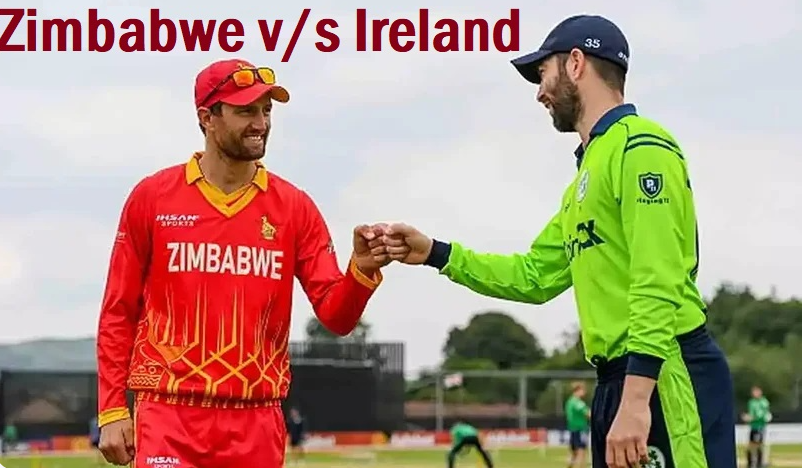
The cricket rivalry between Ireland and Zimbabwe has grown steadily into a competitive and unpredictable contest in international cricket. What once began as mismatched encounters has now transformed into tightly fought battles where both sides challenge each other in all departments of the game. Zimbabwe bring experience, technical batting, and seasoned match awareness, while Ireland counter with aggressive intent, disciplined bowling, and fearless young talent. Across ODIs and T20s, their clashes have produced memorable partnerships, game changing spells, and pressure filled finishes. Each meeting adds new intensity to the rivalry, making it an interesting matchup for fans who enjoy closely contested cricket and shifting momentum.
Latest Matches
| Tournament | Venue | Date | Toss | Ireland Score | Zimbabwe Score | Result | Series | Player of the Match |
|---|---|---|---|---|---|---|---|---|
| Bilateral T20I | Harare | Feb 25, 2025 | Zimbabwe (bat) | 168/7 (20 overs) | 171/6 (19.4 overs) | Zimbabwe won by 4 wkts | Bilateral T20I | Sikandar Raza (ZIM) |
| Bilateral T20I | Harare | Feb 23, 2025 | Ireland (field) | 141/8 (20 overs) | 144/7 (19.2 overs) | Zimbabwe won by 3 wkts | Bilateral T20I | Blessing Muzarabani (ZIM) |
| Bilateral T20I | Harare | Feb 22, 2025 | Zimbabwe (field) | 155/6 (20 overs) | 156/4 (18.3 overs) | Zimbabwe won by 6 wkts | Bilateral T20I | Brian Bennett (ZIM) |
| Bilateral ODI | Harare | Feb 18, 2025 | Ireland (bat) | 240/6 (50 overs) | 246/1 (41.3 overs) | Zimbabwe won by 9 wkts | Bilateral ODI | Brian Bennett (ZIM) |
| Bilateral ODI | Harare | Feb 16, 2025 | Zimbabwe (field) | 249/4 (47.2 overs) | 245 (49.2 overs) | Ireland won by 6 wkts | Bilateral ODI | Harry Tector (IRE) |
| Bilateral ODI | Harare | Feb 14, 2025 | Ireland (field) | 250 (46 overs) | 299/5 (50 overs) | Zimbabwe won by 49 runs | Bilateral ODI | Brian Bennett (ZIM) |
| Only Test | Bulawayo | Feb 6-10, 2025 | Zimbabwe (field) | 260 & 298 | 267 & 228 | Ireland won by 63 runs | Only Test | Matthew Humphreys (IRE) |
Head-to-Head Summary Table
| Format | Matches | Ireland | Zimbabwe | Tied | No Result | Win Ratio |
|---|---|---|---|---|---|---|
| Test | 2 | 2 | 0 | 0 | 0 | 100.00 |
| ODI | 22 | 10 | 9 | 1 | 2 | 45.45 |
| T20I | 21 | 8 | 10 | 0 | 3 | 38.09 |
| Combined | 45 | 20 | 19 | 1 | 5 | 44.44 |
| Home | 20 | 9 | 8 | 0 | 3 | 45.00 |
| Away | 18 | 8 | 8 | 1 | 1 | 44.44 |
Top Run Scorers All-Time Table
| Player Name | Country | Matches | Runs Scored | Batting Avg | Highest Score | Strike Rate |
|---|---|---|---|---|---|---|
| Paul Stirling | Ireland | 15 | 408 | 37.09 | 115 | 151.11 |
| Craig Ervine | Zimbabwe | 11 | 392 | 43.55 | 68 | 126.86 |
| Ryan Burl | Zimbabwe | 15 | 308 | 28.00 | 38 | 125.20 |
| Harry Tector | Ireland | 12 | 238 | 29.75 | 54 | 112.26 |
| Sikandar Raza | Zimbabwe | 14 | 221 | 22.10 | 62 | 131.54 |
| Andy Balbirnie | Ireland | 13 | 215 | 19.54 | 58 | 118.90 |
Best Player Analysis Table
| Player Profile | Format | Matches | Main Metric | Strike Rate | Economy Rate | Key Impact |
|---|---|---|---|---|---|---|
| Paul Stirling | T20I | 15 | 408 Runs | 151.11 | 0.00 | Boundary Hitter |
| Craig Ervine | ODI | 11 | 392 Runs | 126.86 | 0.00 | Anchor Batter |
| Sikandar Raza | T20I | 14 | 15 Wickets | 131.54 | 6.85 | All Rounder |
| Ryan Burl | Combined | 15 | 308 Runs | 125.20 | 7.10 | Finisher |
| Harry Tector | ODI | 12 | 238 Runs | 112.26 | 0.00 | Middle Order |
| Mark Adair | Combined | 16 | 22 Wickets | 0.00 | 7.45 | Strike Bowler |
Early Encounters Between Ireland and Zimbabwe
The early phase of meetings between these two international sides showed a clear difference in experience and structure. Zimbabwe entered matches with a stronger background in top level cricket, while Ireland were still developing their identity on the global stage. In these initial games, Zimbabwe often controlled the rhythm through disciplined batting at the top and steady bowling in the middle overs. Ireland struggled to build long partnerships, which made it difficult to chase or set strong totals. However, even in defeat, Ireland showed moments of resilience that hinted at future improvement. Their bowlers occasionally created early breakthroughs, putting pressure on Zimbabwe’s middle order. These matches were not just about results but about learning and adaptation. Over time, Ireland began to understand how to handle pressure situations better, while Zimbabwe relied heavily on senior players to stabilize innings. The early encounters laid the foundation for a more balanced and competitive phase in later years.
| Match Type | Dominant Side | Key Feature | Outcome Impact |
| ODI | Zimbabwe | Strong top order | Controlled win |
| ODI | Zimbabwe | Spin pressure | Middle collapse |
| T20 | Zimbabwe | Power hitting start | Early advantage |
| ODI | Ireland | Bowling breakthrough | Competitive loss |
Rise of Competitive Balance
As time progressed, the gap between the two teams began to shrink significantly. Ireland improved their domestic structure and gained more exposure in international tournaments, which helped them compete more effectively. Their batting lineup became more stable, and the introduction of aggressive top order players changed their approach. Zimbabwe, while still experienced, started facing inconsistency in execution, especially in finishing matches. This phase marked the beginning of closely fought encounters where results were decided in the final overs. Ireland’s bowling unit became more disciplined, focusing on line and length rather than relying on occasional breakthroughs. Zimbabwe still produced strong individual performances, but teamwork gaps began to show. Matches during this period were no longer predictable, and both teams had equal chances of winning. The rise in competitiveness made every encounter more intense, with momentum shifting frequently throughout the game. Fans began to witness a true balance rather than one sided dominance.
| Match Type | Batting Strength | Bowling Strength | Key Moment |
| ODI | Balanced | Improved seam | Close finish |
| T20 | Aggressive starts | Death overs pressure | Final over |
| ODI | Middle order stability | Spin control | Partnership break |
| T20 | Quick scoring | Mixed bowling | Momentum swing |
Experience vs Confidence Growth
In this phase, Zimbabwe relied heavily on their experienced players to maintain control in matches, while Ireland built confidence through younger talent and fearless cricket. Zimbabwe’s senior batters often anchored innings, ensuring stability even under pressure. However, their lower order sometimes failed to capitalize on strong starts. Ireland, on the other hand, began playing with more freedom, especially in powerplay overs. Their approach focused on scoring quickly and putting pressure back on opponents. This shift in mindset allowed them to challenge stronger teams more effectively. Bowling units from both sides played crucial roles, but Ireland’s fielding improvements gave them an extra edge. Zimbabwe still had moments of brilliance, particularly in individual performances, but consistency became a concern. The contrast between experience and confidence made matches unpredictable, with both sides winning important games. This stage was crucial in shaping the modern competitive nature of their encounters.
| Match Type | Zimbabwe Strength | Ireland Strength | Key Factor |
| ODI | Experience batting | Power hitting | Start momentum |
| ODI | Spin control | Fielding energy | Run saving |
| T20 | Anchoring innings | Fast scoring | Powerplay impact |
| ODI | Senior leadership | Bowling depth | Pressure handling |
Turning Point Match History
A major shift in momentum came when Ireland began to successfully chase challenging totals against Zimbabwe in tightly contested matches. One particular game stood out where Zimbabwe posted a competitive score built on steady partnerships. However, missed chances in the field allowed Ireland to stay in the game. The chase was carefully constructed with a mix of patience and controlled aggression. A key partnership in the middle overs changed the direction of the match completely. Zimbabwe’s inability to break partnerships at crucial moments became a recurring issue. Ireland’s confidence grew significantly after this win, as it proved they could handle pressure against experienced opposition. From this point onward, matches between these teams became much more unpredictable. The psychological advantage started shifting, and Ireland began to believe they could win from any situation. This turning point redefined how both teams approached future contests.
| Match Type | Zimbabwe Total | Ireland Chase | Turning Factor |
| ODI | 260 plus | Successful chase | Partnership build |
| ODI | Competitive | Narrow win | Fielding error |
| T20 | 170 plus | Last over win | Death overs |
| ODI | Strong start | Recovery chase | Middle overs |
Batting Performances That Defined Matches
Batting performances played a central role in shaping outcomes across different encounters. Zimbabwe often depended on their top order to provide stability and set a foundation for big totals. Their experienced batters played long innings when conditions allowed, but converting starts into massive scores was sometimes a challenge. Ireland’s batting approach became more aggressive over time, with openers taking calculated risks in the early overs. Middle order players focused on rotating strike and building partnerships under pressure. Several matches were defined by individual innings that shifted momentum rapidly. Quick scoring bursts and well timed boundaries often decided results. Zimbabwe’s batting strength remained in their technique and patience, while Ireland’s advantage lay in adaptability and aggressive intent. These contrasting styles made contests more engaging and unpredictable. Batting depth became a key factor in determining success in closely fought games.
| Match Type | Top Scorer | Runs Impact | Result Influence |
| ODI | Zimbabwe opener | 90 plus | Strong total |
| ODI | Ireland batter | 70 plus chase | Win setup |
| T20 | Zimbabwe middle | Quick 50 | Recovery |
| T20 | Ireland opener | Fast 60 | Early control |
Bowling Spells That Changed Matches
Bowling performances often had the biggest influence on match outcomes, especially during crucial phases. Zimbabwe relied on experienced seamers and spin options to control the middle overs, but consistency varied across matches. Ireland’s bowling unit developed a more structured approach, focusing on early breakthroughs and tight death overs. Several games were decided by short spells where quick wickets shifted momentum completely. Zimbabwe’s bowlers occasionally struggled to contain aggressive batting in powerplay overs, which allowed opponents to build strong foundations. Ireland’s seamers, however, became more effective in exploiting early movement and pressure conditions. Death bowling remained a challenge for both sides, often leading to high scoring finishes. The ability to maintain pressure in the final overs became a decisive factor in close encounters. Bowling performances frequently changed the direction of matches within a few overs.
| Match Type | Best Bowler | Figures | Match Impact |
| ODI | Zimbabwe seamer | 3 wickets | Early control |
| ODI | Ireland pacer | 4 wickets | Collapse trigger |
| T20 | Zimbabwe spinner | Tight overs | Run restriction |
| T20 | Ireland bowler | Death wickets | Final shift |
Modern Era Rivalry Evolution
In the modern phase, encounters between these two teams have become far more balanced and competitive. Both sides now possess stronger batting depth, improved fitness standards, and better tactical awareness. Matches are no longer predictable, with momentum shifting multiple times within a single game. Zimbabwe continues to rely on experienced players combined with emerging talent, while Ireland emphasizes structured planning and aggressive execution. Fielding standards have improved significantly on both sides, reducing the number of easy runs and increasing pressure in tight situations. Recent matches often go down to the final overs, reflecting how closely matched the teams have become. Strategic decisions such as batting order flexibility and bowling rotations now play a major role in determining results. This modern era has transformed earlier one sided contests into highly competitive cricket battles that keep fans engaged until the final ball.
| Match Type | Modern Trend | Key Strength | Outcome Pattern |
| ODI | Balanced play | Batting depth | Close finishes |
| T20 | High scoring | Power hitting | Last over games |
| ODI | Tactical play | Bowling plans | Swing results |
| T20 | Fast tempo | Fielding impact | Tight margins |
Conclusion
The rivalry between Ireland and Zimbabwe reflects the evolution of two teams striving to establish consistency at the international level. While Zimbabwe bring experience and natural flair, Ireland counter with structure, aggression, and adaptability. Over time, the gap between them has narrowed, creating thrilling contests decided by small margins. From early dominance to modern-day balance, the journey highlights how both sides have matured. Every encounter now carries importance, not just for points but for pride and momentum. This rivalry continues to grow, offering fans exciting cricket filled with drama, skill, and unpredictable outcomes.
FAQs
What makes Ireland and Zimbabwe matches competitive
Both teams have similar skill levels in recent years, leading to closely contested games and unpredictable results.
Which team has historically performed better
Zimbabwe had early dominance due to experience, but Ireland have become more competitive in modern encounters.
What is the key strength of Ireland in these matches
Ireland rely on aggressive batting starts and disciplined seam bowling to control match situations.
What is Zimbabwe’s biggest advantage
Zimbabwe’s experience and senior players often help them stabilize innings under pressure.
Why are these matches important for both teams
These games help both sides improve rankings, build confidence, and develop younger players in international conditions.
| Read Also: Mumbai Indians Vs Punjab Kings Stats |