Table of Contents
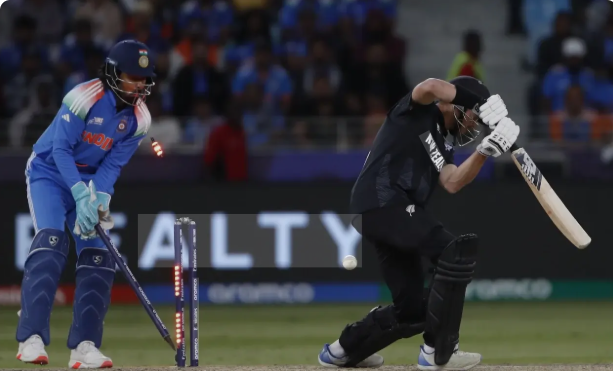
The rivalry between the India National Cricket Team and New Zealand National Cricket Team has evolved from quiet beginnings into one of cricket’s most respected contests. Across decades, their matches have delivered gripping scorecards, tactical battles, and unforgettable moments shaped by skill, resilience, and pressure.
Latest Matches
| Tournament | Venue | Date | Toss | India Score | New Zealand Score | Result | Series |
|---|---|---|---|---|---|---|---|
| ICC Men’s T20 World Cup 2026 | Narendra Modi Stadium, Ahmedabad | Mar 8, 2026 | New Zealand (field) | 255/5 (20.0) | 159 (19.0) | India won by 96 runs | ICC Men’s T20 World Cup 2026 |
| Bilateral T20I | Greenfield International Stadium, Thiruvananthapuram | Jan 31, 2026 | India (bat) | 271/5 (20.0) | 225 (19.4) | India won by 46 runs | New Zealand in India 2025/26 |
| Bilateral T20I | Dr Y.S. Rajasekhara Reddy ACA-VDCA Stadium, Visakhapatnam | Jan 28, 2026 | New Zealand (bat) | 165 (18.4) | 215/7 (20.0) | New Zealand won by 50 runs | New Zealand in India 2025/26 |
| Bilateral T20I | Barsapara Cricket Stadium, Guwahati | Jan 25, 2026 | India (field) | 155/2 (10.0) | 153/9 (20.0) | India won by 8 wickets | New Zealand in India 2025/26 |
| Bilateral T20I | Shaheed Veer Narayan Singh Int. Stadium, Raipur | Jan 23, 2026 | India (field) | 209/3 (15.2) | 208/6 (20.0) | India won by 7 wickets | New Zealand in India 2025/26 |
| Bilateral T20I | Vidarbha Cricket Association Stadium, Nagpur | Jan 21, 2026 | New Zealand (field) | 238/7 (20.0) | 190/7 (20.0) | India won by 48 runs | New Zealand in India 2025/26 |
| Bilateral ODI | Holkar Cricket Stadium, Indore | Jan 18, 2026 | New Zealand (bat) | 296 (46.0) | 337/8 (50.0) | New Zealand won by 41 runs | New Zealand in India 2025/26 |
| Bilateral ODI | Niranjan Shah Stadium, Rajkot | Jan 14, 2026 | India (bat) | 284/7 (50.0) | 286/3 (47.3) | New Zealand won by 7 wickets | New Zealand in India 2025/26 |
| Bilateral ODI | Baroda Cricket Association Stadium, Vadodara | Jan 11, 2026 | India (field) | 306/6 (49.0) | 300/8 (50.0) | India won by 4 wickets | New Zealand in India 2025/26 |
Overall Head-to-Head Summary
| Format | Matches Played | India Wins | New Zealand Wins | Draws / Ties / NR |
|---|---|---|---|---|
| Test | 65 | 22 | 16 | 27 |
| ODI | 123 | 63 | 52 | 8 |
| T20I | 31 | 17 | 11 | 3 |
| All Formats | 219 | 102 | 79 | 38 |
Top Run Scorers in India vs New Zealand
| Player | Team | Matches | Runs | Average | Centuries | Notable Highlights |
|---|---|---|---|---|---|---|
| Sachin Tendulkar | IND | ~60+ | 3,300+ | ~50+ | 10+ | Highest overall run-getter in rivalry |
| Virat Kohli | IND | 40+ | 2,500+ | 55+ | 8+ | Consistent destroyer, best modern average |
| Rahul Dravid | IND | 30+ | 2,000+ | 60+ | 6+ | Rock-solid in Tests |
| Kane Williamson | NZ | 50+ | 2,200+ | 45+ | 5+ | New Zealand’s modern batting mainstay |
| Ross Taylor | NZ | 45+ | 2,000+ | 45+ | 4+ | Reliable middle-order performer |
| Daryl Mitchell | NZ | Recent | 1,200+ | High | – | Star of recent ODIs & T20s |
| Shubman Gill | IND | Recent | 1,000+ | – | – | Explosive opener in white-ball |
Top Wicket-Takers in India vs New Zealand
| Player | Team | Matches | Wickets | Format Strength |
|---|---|---|---|---|
| Ravichandran Ashwin | IND | 15+ | 70+ | Dominant in Tests |
| Javagal Srinath | IND | 30+ | 51 | ODI pace king |
| Tim Southee | NZ | 40+ | 45+ | Swing in all formats |
| Anil Kumble | IND | – | 39+ | Legendary leg-spin |
| Jasprit Bumrah | IND | Recent | 20+ | Death-over specialist |
| Mitchell Santner | NZ | Recent | 15+ | Effective in T20s |
The 1970s and 1980s: Slow-Burning Contests and Emerging Heroes
The early chapters of India National Cricket Team vs New Zealand National Cricket Team matches were not loud or fiery, but they quietly built the foundation of a long-standing rivalry. During the 1970s and 1980s, cricket between these two sides was defined by patience, technique, and adaptability rather than aggression. Matches were often played on slow subcontinental pitches or green New Zealand surfaces, forcing players to adjust their natural styles.
India relied heavily on spin bowling and technically sound batsmen, while New Zealand leaned on seamers and disciplined line-and-length bowling. Scorecards from this era often reflected low-scoring battles, with totals rarely crossing big numbers. Players like Sunil Gavaskar and Richard Hadlee began to shape the rivalry with their consistency and match-winning abilities.
One of the defining aspects of this period was how closely fought many games were. Even when the scorecards looked modest, the tension remained high. Matches often went deep into the final sessions, where a single partnership or spell could decide the outcome.
These decades did not produce explosive cricket, but they created respect between the teams. It was a rivalry built on grit, not glamour, and that slow-burning intensity would later evolve into something far more dramatic.
| Year | Format | Venue | Result | Key Performer |
|---|---|---|---|---|
| 1976 | Test | Auckland | NZ won | Richard Hadlee |
| 1981 | Test | Mumbai | Draw | Sunil Gavaskar |
| 1987 | ODI | World Cup | India won | Kapil Dev |
| 1988 | Test | Wellington | NZ won | Martin Crowe |
1990s Era: Competitive Balance and Tactical Evolution
The 1990s brought a noticeable shift in India vs New Zealand matches. The rivalry started to gain sharper edges as both teams evolved tactically. No longer were games just about survival. Teams began to think aggressively, experiment with combinations, and push for results.
India developed a stronger batting lineup with players like Sachin Tendulkar leading the charge, while New Zealand introduced disciplined all-round units capable of adapting across formats. The scorecards during this period started showing higher totals, quicker scoring rates, and more decisive outcomes.
One of the biggest changes was the introduction and growth of ODI cricket. Limited-overs matches added urgency and unpredictability to the rivalry. Matches that once stretched slowly now had moments of explosive brilliance. Fielding standards improved, and strategies such as pinch hitting and bowling variations became more prominent.
Close finishes became more common, and fans began to feel the tension. Every run, every wicket started to matter more. This era also saw the rivalry become more balanced, with both teams capable of beating each other at home and away.
The 1990s were not just about results. They were about transformation. The rivalry matured, becoming more competitive, more tactical, and far more engaging for fans around the world.
| Year | Format | Venue | Result | Key Performer |
|---|---|---|---|---|
| 1992 | ODI WC | Auckland | NZ won | Martin Crowe |
| 1994 | ODI | Vadodara | India won | Sachin Tendulkar |
| 1998 | Test | Wellington | NZ won | Stephen Fleming |
| 1999 | ODI WC | Nottingham | India won | Rahul Dravid |
ICC Tournaments Ignite the Rivalry
If bilateral series built the rivalry, ICC tournaments set it on fire. Whenever India and New Zealand met on the global stage, the stakes were higher, the pressure heavier, and the emotions far more intense.
World Cups and ICC events turned these matches into high-pressure contests where one mistake could end a campaign. The scorecards from these games often tell stories of drama rather than dominance. Low totals defended, collapses under pressure, and unexpected heroes became common themes.
New Zealand developed a reputation for punching above their weight in ICC tournaments, often troubling India with disciplined bowling and clever tactics. India, on the other hand, carried the expectations of millions, making every match emotionally charged.
Fans began to view this rivalry differently. It was no longer just another match. It became a test of temperament. The unpredictability added to the excitement, as favorites often faltered and underdogs rose.
These tournament clashes gave the rivalry a global identity. The moments created here were not just remembered, they were replayed for years. From tense chases to unexpected upsets, ICC events ensured that India vs New Zealand matches would never be taken lightly again.
| Year | Tournament | Venue | Result | Key Performer |
|---|---|---|---|---|
| 2000 | ICC KnockOut | Nairobi | NZ won | Chris Cairns |
| 2003 | WC | Centurion | India won | Mohammad Kaif |
| 2007 | T20 WC | Johannesburg | NZ won | Daniel Vettori |
| 2016 | T20 WC | Nagpur | NZ won | Mitchell Santner |
Early 2000s: Home Dominance vs Overseas Struggles
The early 2000s clearly highlighted a pattern in India vs New Zealand matches. Home advantage became a major factor. India dominated on spin-friendly pitches, while New Zealand remained tough to beat in seaming conditions.
In India, batsmen thrived. Big scores appeared regularly in the scorecards, and spinners dictated the tempo of the game. New Zealand often struggled to adapt, leading to one-sided results.
However, when the action shifted to New Zealand, the story changed completely. Indian batsmen found it difficult to handle swing and bounce, while New Zealand bowlers exploited conditions brilliantly. Matches often ended quickly, with low totals and collapses becoming common.
This contrast created an interesting dynamic. The rivalry was competitive, but heavily influenced by conditions. Teams began preparing more strategically, focusing on adaptability rather than just skill.
Despite the imbalance, this period produced several memorable performances. Individual brilliance often stood out, even in losing causes. These years taught both teams valuable lessons about playing away from home, shaping their future approaches.
The early 2000s were about understanding strengths and weaknesses. It was a phase where dominance was situational, but the rivalry continued to grow stronger.
| Year | Format | Venue | Result | Key Performer |
|---|---|---|---|---|
| 2002 | Test | Kolkata | India won | Harbhajan Singh |
| 2003 | Test | Hamilton | NZ won | Shane Bond |
| 2005 | ODI | Delhi | India won | Virender Sehwag |
| 2009 | Test | Napier | Draw | Gautam Gambhir |
2010–2015: Modern Cricket, New Heroes, and Intense Battles
Between 2010 and 2015, India vs New Zealand matches entered a modern phase. Cricket became faster, more aggressive, and more unpredictable. Teams embraced attacking strategies, and players were encouraged to dominate rather than defend.
India saw the rise of players like Virat Kohli, while New Zealand developed a fearless approach under Brendon McCullum. The scorecards during this period often featured high totals, quick centuries, and aggressive chases.
Bowling strategies also evolved. Pace bowlers focused on variations, while spinners adapted to shorter formats. Fielding became sharper, turning matches on small moments.
This era produced some of the most entertaining games in the rivalry. Matches swung rapidly, keeping fans on edge. Partnerships were built quickly, but collapses were never far away.
The intensity between players also increased. Competitive spirit was visible, but it remained within the spirit of the game. Respect and rivalry coexisted, making these contests even more compelling.
This period truly modernized the rivalry. It was no longer just about winning. It was about how you won, how aggressively you played, and how well you handled pressure.
| Year | Format | Venue | Result | Key Performer |
|---|---|---|---|---|
| 2014 | Test | Wellington | Draw | Brendon McCullum |
| 2014 | ODI | Auckland | NZ won | Corey Anderson |
| 2015 | WC | Hamilton | NZ won | Trent Boult |
| 2016 | ODI | Dharamshala | India won | MS Dhoni |
World Test Championship Final 2021: Ultimate Test Glory Clash
The World Test Championship Final in 2021 elevated India vs New Zealand matches to a historic level. It was not just another Test. It was a battle for ultimate supremacy in the longest format.
Played in challenging conditions, the match tested every aspect of the game. The scorecard reflected a classic Test battle, with bowlers dominating and batsmen fighting for every run.
New Zealand executed their plans perfectly. Their seamers used the conditions to their advantage, maintaining discipline and pressure. India, despite having a strong lineup, struggled to build partnerships at crucial moments.
Key performances came from players who handled pressure better. Small contributions made a big difference. Every session felt like a mini contest, and momentum kept shifting.
When New Zealand finally secured victory, it marked one of the most significant moments in the rivalry. It showed how far both teams had come from their early encounters.
This match was not about flashy cricket. It was about patience, precision, and mental strength. It added a new chapter to the rivalry, one that will be remembered for years.
| Year | Format | Venue | Result | Key Performer |
|---|---|---|---|---|
| 2021 | Test Final | Southampton | NZ won | Kyle Jamieson |
| 2020 | Test | Wellington | NZ won | Tim Southee |
| 2019 | Test | Christchurch | NZ won | Tom Latham |
| 2021 | Test | Kanpur | Draw | Shreyas Iyer |
T20 Era Battles: Fast-Paced Drama and Tactical Brilliance
The T20 era completely transformed India vs New Zealand matches. Everything became faster. Decisions, scoring, and momentum shifts happened in a matter of overs.
Scorecards in this format often look explosive. Big totals, quick wickets, and dramatic finishes define these contests. Powerplay strategies, death bowling, and finishing skills became crucial.
India relied on strong batting depth and aggressive intent, while New Zealand focused on smart tactics and adaptability. Matches were often decided by small margins, making them thrilling to watch.
Players became specialists. Some excelled at finishing games, others at controlling the middle overs. Every role mattered, and every mistake was costly.
Fans loved this format because of its unpredictability. One over could change everything. The rivalry gained a new audience, especially among younger viewers.
Despite the fast pace, the intensity remained high. These matches were not just about entertainment. They were about strategy, execution, and handling pressure in the shortest format.
The T20 era ensured that the rivalry stayed relevant, exciting, and constantly evolving.
| Year | Format | Venue | Result | Key Performer |
|---|---|---|---|---|
| 2020 | T20I | Auckland | India won | KL Rahul |
| 2021 | T20 WC | Dubai | NZ won | Daryl Mitchell |
| 2022 | T20I | Jaipur | India won | Rohit Sharma |
| 2023 | T20I | Ahmedabad | India won | Shubman Gill |
Conclusion
India National Cricket Team vs New Zealand National Cricket Team matches have never relied on hype alone. Instead, they have built their legacy through consistency, discipline, and moments of brilliance that often arrive unexpectedly. From low-scoring Tests in the early years to high-intensity T20 clashes, every phase has added depth to this rivalry. Scorecards reveal not just numbers, but stories of resilience, tactical thinking, and individual excellence. What makes this contest unique is the balance. Neither team dominates forever, and that uncertainty keeps fans invested. As new players emerge and formats evolve, this rivalry continues to grow, promising more thrilling matches, emotional highs, and unforgettable cricketing chapters.